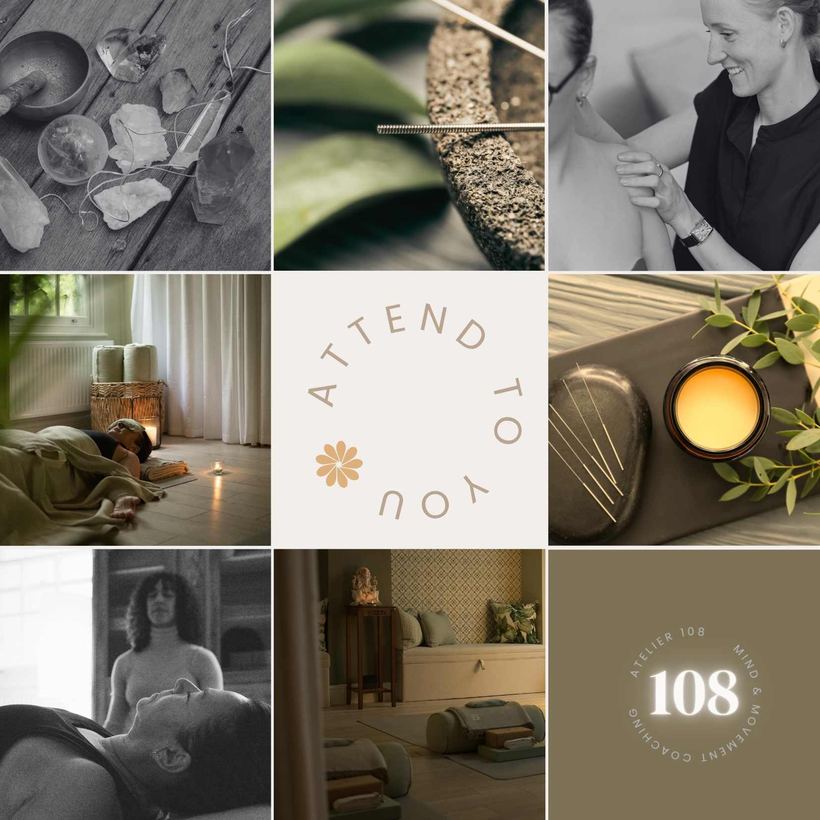
There are many ways into the nervous system.
Movement is one.
Breath is another.
Attention—where and how we place it—is often the bridge between the two.
But there are also more indirect entry points. Places where the body can be influenced without asking it to do very much at all.
This is where acupuncture sits. And more specifically, this is where the ear becomes interesting.
Rest In is a workshop that explores this approach—bringing together acupuncture, meditation and sound as a way of working with the system from several directions at once. It is run at the studio in collaboration with acupuncturist Cicely Rose.

The ear as a map
In Chinese medicine, the ear is understood as a microsystem of the whole body. Not metaphorically, but practically—specific points on the ear correspond to different organs and systems. By working through these points, it becomes possible to influence the body as a whole, without needing to address each part individually.
For this workshop, Cicely uses a five-point auricular acupuncture protocol. Originally developed to support recovery from addiction, it is now widely used in clinical and therapeutic settings to regulate the nervous system and support emotional balance.
The points correspond to:
- Heart
- Lungs
- Liver
- Kidneys
- Sympathetic nervous system
Together, they work to settle the body's stress response and re-establish a sense of internal equilibrium.
This is not forceful work. It doesn't push. It allows the system to reorganise itself.
Regulation without effort
One of the consistent challenges with stress is that the very systems we rely on to regulate ourselves are often the ones under strain.
We are told to relax.
To breathe.
To slow down.
And yet, in many cases, that instruction alone isn't enough. Asking a system that is already working hard to try harder tends to add to the load rather than relieve it.
What auricular acupuncture offers is a different route. Instead of asking the mind to lead, it allows the body to shift first. From there, the mind can follow. People rest. Sometimes they sleep. And yet, something has changed.
Mindfulness as orientation
Alongside the acupuncture, the session is held within a guided meditation. This is where I work—using breath, attention and subtle use of sound to support how the system settles.
Meditation here is not about concentration or trying to switch anything off, but about how attention is placed. It creates the conditions for the body to respond to the treatment, without needing to direct or manage it.
Sound is introduced lightly within this, drawing from the idea of nāda—as a point of reference for attention. Something to return to, without effort.
In this way, mindfulness supports the same process as the acupuncture. Both approaches work to reduce interference, allowing the system to settle and reorganise.
Who it is for
No previous experience of either practice is needed.
For some, acupuncture will feel familiar. For others, meditation or mindfulness may already be part of how they work with themselves. Many arrive having tried neither, simply aware that their system has been running at a pitch they would like to come down from.
It tends to suit people who are managing a demanding period and finding that the usual instructions—rest more, breathe, slow down—aren't landing. Nothing is asked of you beyond arriving and lying down.
The experience
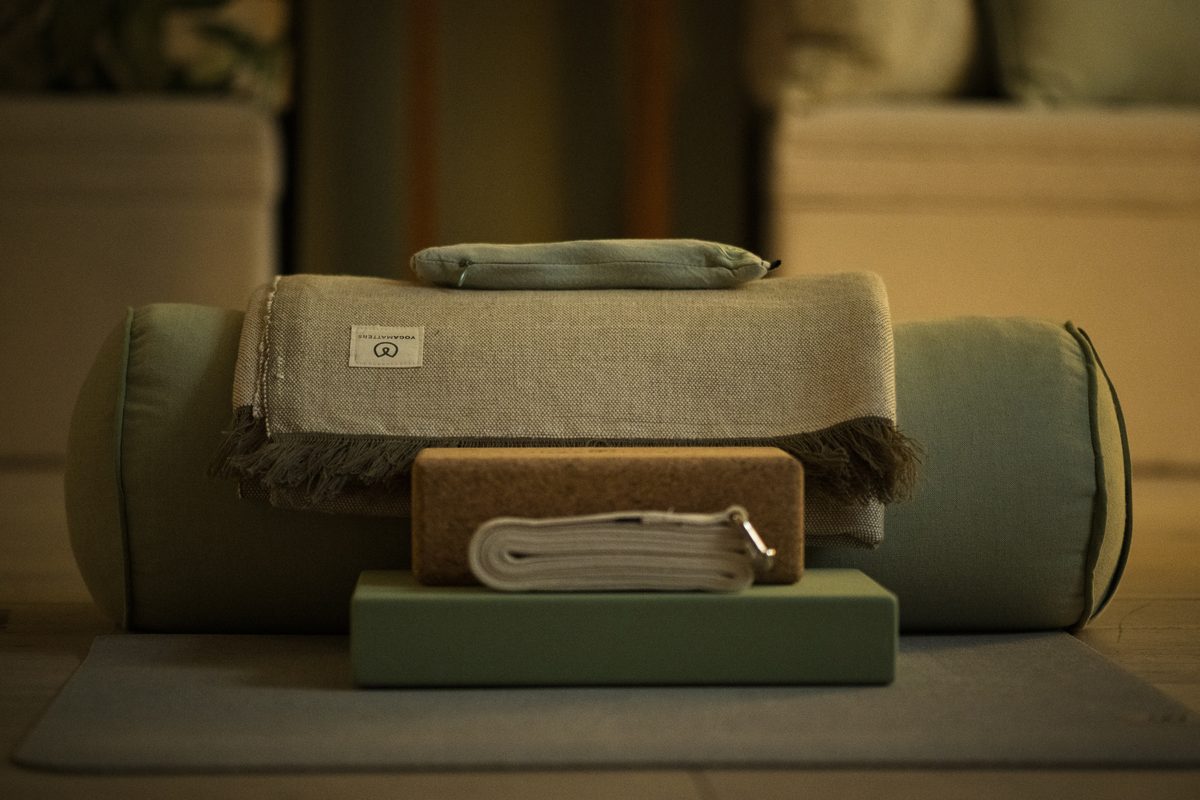
This is a small, intimate workshop, limited to eight participants.
We bring these approaches together in a single experience to work with stress more directly. Each on its own is effective. Together, they reach the same thing from two directions—one through the body, one through attention—and the session is built around that overlap.
The morning is curated to move with ease—from arrival, into treatment, and into rest.
The session includes:
- Guided meditation
- Sound-based attention
- Auricular acupuncture treatment
- Time to rest
It begins with time to arrive and settle into the space, followed by a short guided meditation to orient attention. The acupuncture treatment is then applied, with space to rest while it takes effect.
There is some context offered along the way, though the focus remains on experience—so the effects of the work can be felt directly.
The session closes with tea, space to reorient, and the option for questions.
Most people leave quieter than they arrived, and describe the effect continuing into the following days. That is usually the point at which the value becomes clear: not the hour itself, but what the system does with it afterwards.
An invitation to rest in.
About Cicely
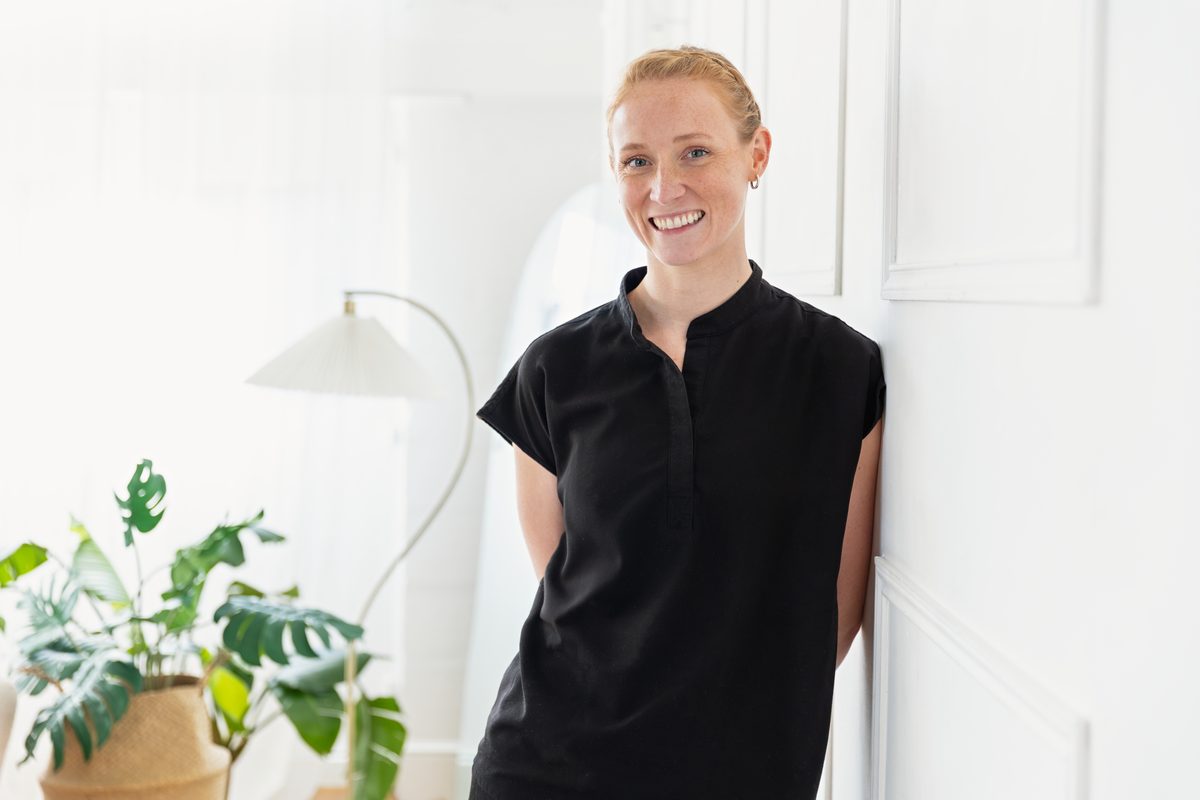
Cicely was brought up in the Oxfordshire countryside. At 18, she began a seven-year career working as a stewardess on superyachts.
It was during this time that she first experienced acupuncture—an encounter that shifted her direction entirely.
She left yachting to train as an acupuncturist, and now lives in Clapham South, with a clinic in the heart of Westminster.
Her work is grounded, precise, and focused on supporting the body's ability to regulate and restore itself.
About Rachel & Atelier108
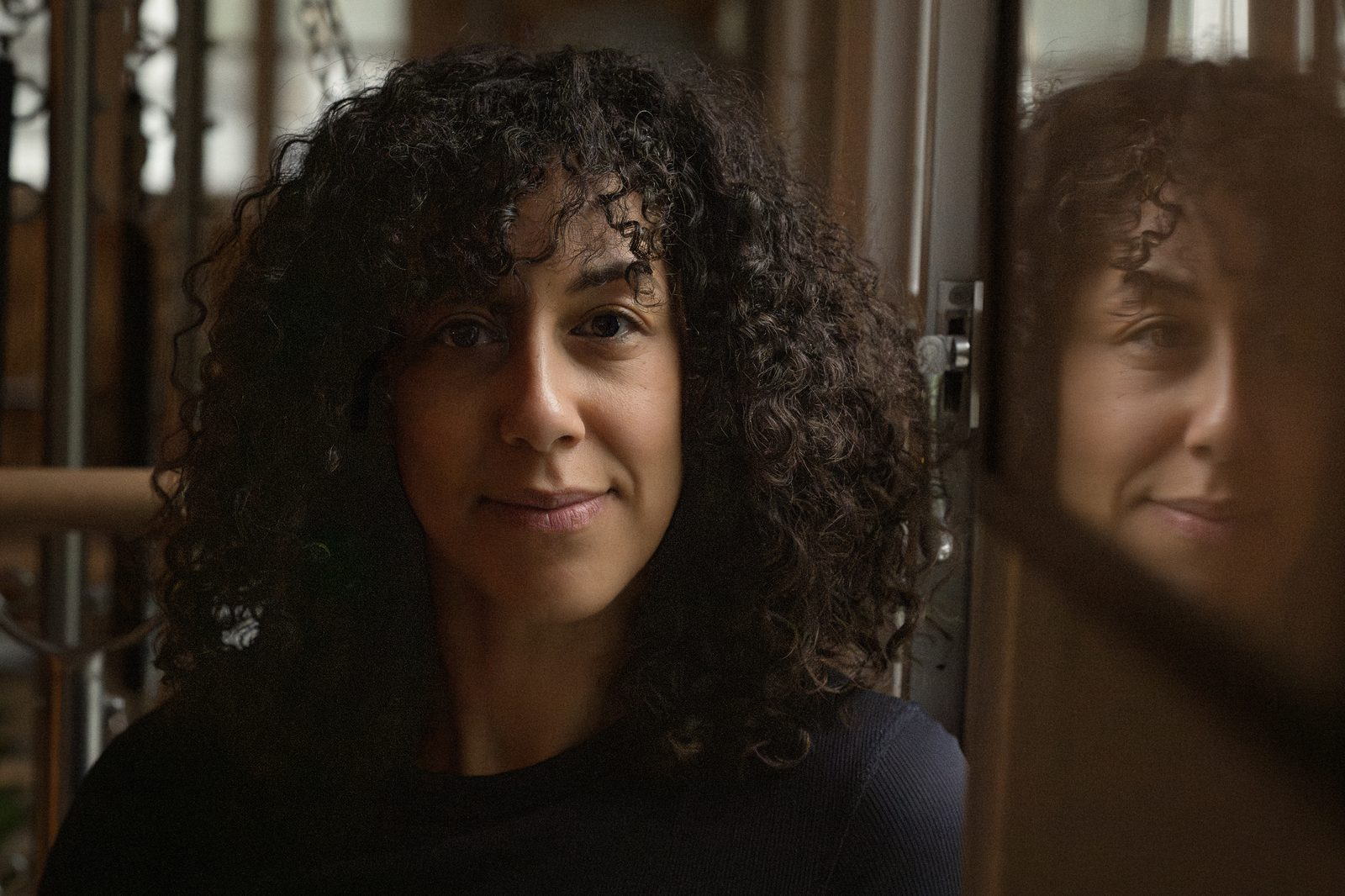
Rachel is the founder of Atelier108, a private one-to-one movement practice in Pimlico.
Her work brings together movement training, breath, and cognitive frameworks to support how people organise, move, and experience themselves in their bodies. Sessions are highly tailored, drawing from disciplines including Pilates, yoga, and embodied coaching.
Rather than focusing on isolated outcomes, her approach is centred on developing coordination, awareness, and the ability to respond with more clarity and choice—both physically and mentally.
Atelier108 is designed as a space for this work: considered, focused, and uninterrupted.
Dates
The next Rest In will be announced soon. If you would like to know when dates are released, put your name down and we will be in touch.